Clinical and Case Management

Using a collaborative, trauma-informed approach, our Clinician and Case Management team assesses people's complex situations, develops a personalized, coordinated plan of care; administers, monitors and evaluates the plan; and advocates on behalf of the people in our care. Together with our partners, we help people to be safer, achieve their goals and improve their quality of life.

For more info, contact:

Clinical and Case Management Services

Nadia Wali
nadia.wali@tngcs.org
647.269.3014

Art Manuel House

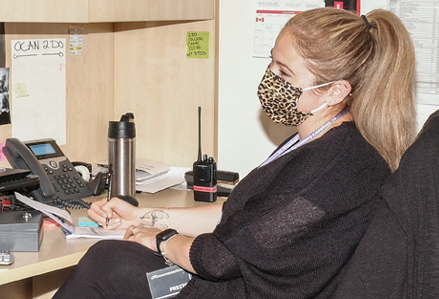
Chronic alcohol use deeply affects every part of a person's life. At Art Manuel House, people’s alcohol use is regulated to improve their health and safety. A managed alcohol residence, Art Manuel House uses harm reduction principles and intensive case management to help each resident develop a personalized plan that focuses on alcohol intake, stability, wellness and recovery.

Multiple Locations
staff member at desk

Case Management

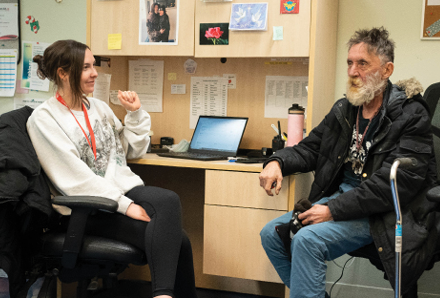
People who come to us struggle with complex issues, including homelessness, poor physical and mental health, substance use, unemployment and financial insecurity. Our Case Managers assess people's needs, and coordinate relevant services on behalf of the people they serve. This trauma-informed support improves people's short and long-term stability and well-being.

Toronto
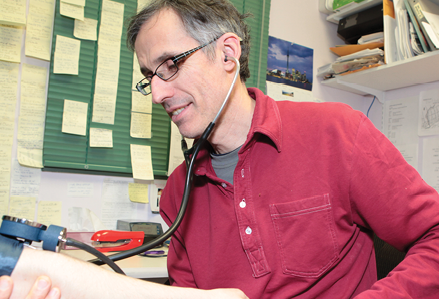
doctor in the Corner Drop-in primary care clinic

Clinical Services (Primary and Psychiatric Health Care)

One of the biggest challenges that people who are homeless and living with mental health and substance use issues face is getting proper health care. At our Primary and Nursing Care Clinic, people have access to a doctor and community nurses, a psychiatrist, as well as testing and vaccination clinics.  

Downtown
Community Connect

Community Connect

For women leaving the Women's Withdrawal Management Service at Michael Garron Hospital, the transition can be difficult. Our Community Connect program uses a holistic approach to help those women ease back into the community. The process starts right in the Hospital with short-term case management services and coordination of care and continues until women in the program enter the next phase of their recovery. 

Toronto
Eviction Prevention Intervention in the Community

Eviction Prevention in the Community (EPIC)

When the city's most vulnerable people face eviction, they don't know where to turn. The Eviction Prevention in the Community (EPIC) team works with tenants and landlords to develop solutions that keep people in their homes. Staff also provide wrap-around services that prevent situations from getting to the point of eviction.

Online
man standing in L.L. Odette Place hallway

L.L. Odette Place

Finding affordable housing is difficult. For men struggling with homelessness, substance use, and mental health issues, the challenge is much tougher. Our accessible, supportive housing at L.L. Odette Place provides the opportunity for safety and security. From their own home, they have easy access to counselling, health care, harm reduction and referrals to other essential services. 

Downtown
elderly woman standing on balcony

Safe Seniors Supported Housing with Layered Supports

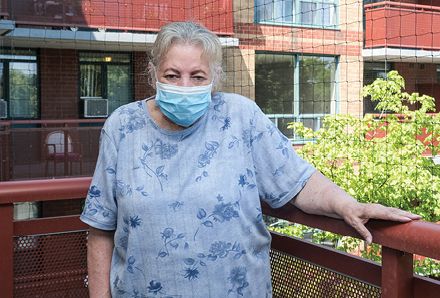
Elderly people struggling with homelessness face great challenges. Our Safe Seniors program helps those seniors find safe, affordable housing and support, including applications for rent subsidies, case management, landlord/tenant mediation, eviction prevention, and referrals to essential services.

Online
man and woman sitting in park

Street Survivors Follow-Up and Support Program

People struggling with chronic homelessness, and mental health and substance use issues access safe, affordable housing through Street Survivors. Using a holistic and harm reduction case management approach, the program also helps with landlord/tenant mediation, eviction prevention, and referrals to essential services.

Online

Toronto Community Action Team (TCAT)

For people with complex substance use issues, extra support is essential. The mobile Toronto Community Action Team (TCAT) works from a client-centered and harm-reduction approach to provide intensive case management to people who are frequently admitted to withdrawal management programs and hospital emergency departments.

Toronto
UHN Stabalization and Connection Centre

UHN Stabilization Centre

When people are brought to emergency rooms because of intoxification, the needed support services aren't always available. The UHN (University Health Network) Stabilization Centre operates within a harm reduction framework to provide a safe, welcoming space where people can recover from their current intoxified state and connect to the essential services they need.

Online
case worker and man talking in office

Voluntary Trustee Program

One of the biggest challenges for people with a history of homelessness, substance use and mental health issues is money management. The Voluntary Trustee program helps people manage finances to ensure there is enough for rent, food and other essentials. With wraparound services, the program gives people the stability they need to find new housing or remain in their homes. 

Online