Peer workers know the struggle with homelessness and substance use all too well. Their lived experience gives them the insight and emotional awareness to help people who are going through what the peers did. By acting as mentors and advocates, peer workers play a critical role in helping people access the life-saving services they need, while gaining stability in their own lives by improving their skills and getting paid for meaningful work.
For some people, the stress of getting a medical test result, understanding the treatment plan, or even making it to the appointment on time, can reduce people’s ability to improve their own care. Through our Client Accompaniment Program, peer workers are there to give emotional support, improve communication with the health care team, and get people to their appointments and back home safely.
For people who use Crystal Meth, our Drop-in is a safe, welcoming space where they can get snacks, use showers, laundry and computers, join activities, and get referrals to health care and other service providers. Staff have also created a series of e-learning modules about Crystal Meth, and train people to act as Peer Workers at other service agencies.
People who are homeless and use substances have always been at great risk of dying from an overdose while staying in shelters. The Integrated Prevention and Harm Reduction Initiative (iPHARE) places peer harm reduction teams in shelters to work with shelter staff, service providers, and residents to prevent overdoses.
When people are homeless, they lack the basic necessities to survive. Our Peer Outreach Teams are there to help by supplying food, warm clothes, and harm reduction supplies. The Teams' goal goes beyond immediate needs: By building trust, people are more willing to accept additional support, including harm reduction, and referrals to essential community services and shelters.
For people with lived experience of substance use, reconnecting with the community can be difficult. In our Peer Training and Development program, people gain valuable mentoring and harm reduction training, bringing structure to their lives and restoring their independence. Peers use those skills in paid work placements to deliver life-saving support to other people facing similar challenges.
People living in shelters face many barriers trying to connect to the services they need. At Edward Village, we partner with Fred Victor to offer residents a unique and accessible safe space. Peer workers use their lived experience to engage and encourage residents to use essential services, like harm reduction, primary and mental health care, counselling, housing support and referrals to external services, and to connect isolated residents to other people.
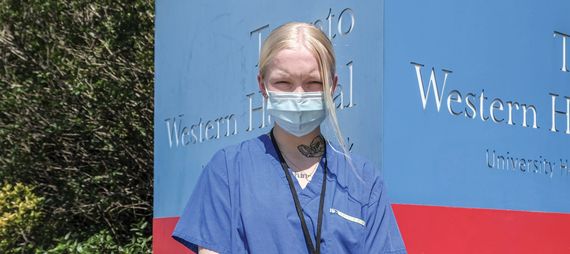
The lack of trust in health care systems and professionals severely impacts the health of people who are homeless and have substance use or mental health issues. By placing Peer workers in emergency departments, we help people receive the care they need. Peer workers use their lived experience and training to connect with people and remove barriers to effective health care.
Front-line shelter staff use their experience and expertise to help residents with harm reduction, housing, employment and much more. Through REACT, our peer workers support those staff by providing training to increase awareness of lived experience, improve empathy, enhance communication and understand conflict de-escalation.
People who use substances and live in shelters are at high-risk for overdose. Our SafeSpot program saves lives by training shelter residents to prevent overdoses through safety planning, spotting (peer-witnessed injections), and distribution of harm reduction supplies. SafeSpot also operates at our modular supportive housing locations.
Being in the hospital due to substance use is one of the most frightening consequences. Our peer support workers in The Next Chapter use their lived experience to build trust and make patients feel safer on their journey at the hospital, and beyond. Together with a multidisciplinary team from the Centre for Addiction and Mental Health (CAMH), peer workers help patients gain confidence, stability and connections that help them successfully return to their communities.
Our peer workers have lived experience with substance use and homelessness. They understand first-hand how to deal with complex health and social challenges faced by people who are going through what the peers did. Peer workers are able to provide emotional and social support, share knowledge and act as mentors and advocates to the people they help. By building a level of trust, they are able to encourage people to engage with community agencies.